Track What Matters: Marketing KPIs You Should Be Tracking
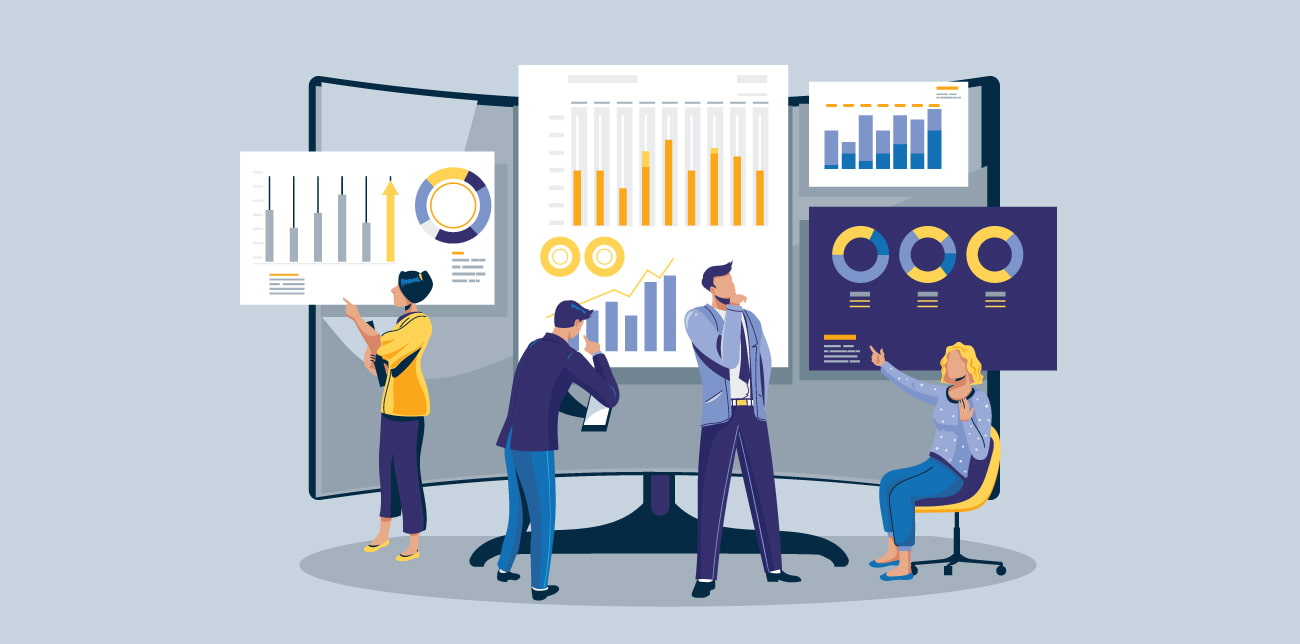

Image source: Getty Images
How do you know what works if you can't show success? Marketing KPIs use data points to track, measure and align your efforts.Data, data, data - every company works.
At first glance, a company's marketing department may seem to focus only on the creative side of the business, but it is made up of many different data points. These data points, called KPIs, analyze marketing performance to show the success and value of your efforts.
Here are 9 marketing KPIs your small business should be trackingIt is easy to say that KPIs are important data, but they are more detailed.
KPIs track the behavior and activities of the target audience. They want to know how your marketing is doing so you can adjust and improve it, track your goals, and test your success.
KPIs are specific marketing metrics related to reach, engagement and other aspects of your campaign.
The best marketing KPIs your small business can trackThere are many metrics you can track, but when it comes to verifying the best and most effective data for your business, you need to focus on something.
1. Contract costsHow much will it cost to bring each way? The lower the cost, the better, because it means you can do more with less, which means you save money and your marketing efforts are effective.
Getting more customers for less money proves the value of your work and the business itself grows. At first glance, a campaign may seem very expensive, but it may have more potential than a cheaper campaign, meaning a higher potential conversion rate.
To track this, divide the total cost of running the campaign by the total number of leads generated. If your expensive campaign generates an exponential number of leads, you can justify the higher cost with a lower cost per lead.
Tips for tracking cost per lead:Measuring cost per customer should not be a problem:
For a campaign to be successful, your revenue (the money generated by the campaign) must exceed the cost of running that campaign. You can see your profit by simply deducting the profits from the promotion.
Tips for tracking sales:You can view sales at a general or more detailed level:
There are two types of converted lead.
Marketable leads are more likely to become customers based on demographics and engagement. Qualified leads are leads that your sales team has identified as target customers.
You can use email marketing to connect MQLs with strategic, actionable campaigns (email marketing software like Constant Contact or SendinBlue provides an easy way to plan marketing and see results) and measure the likelihood their conversion to SQL.
Following up at this level provides deep value because they are potential customers who will buy from you.
Tips for reverting from MQL to SQL:Here are some ways to make lead tracking easier:
Retaining customers is cheaper than attracting new ones, and a high retention rate also proves that you provide quality content. It shows real value in your marketing and makes your customers feel like they're worth staying with
Tips for tracking customer loyalty:See at a glance how engaged your audience is:
Just one step away from total web traffic, unique web visitors tell you how much of your traffic is made up of individuals. For example, if 250 of your 500 monthly website visits are repeat visitors, your target audience will be half that size. However, if 350 out of 400 monthly visits are unique, this indicates generating more results.
Tips for tracking unique web visitors:You can simply dive into the unique traffic:
The goal of almost every business is to get as much traffic as possible from organic search versus paid advertising. Organic traffic means customers find your site on their own because of rankings and authority, and keeps costs low because you're not paying for promotion.
Tips for tracking organic traffic:Get direct insight into your organic traffic growth and help grow it:
Custom forms can track custom content. By tying your marketing efforts directly to specific landing pages, you can track how quickly those forms are viewed and filled out.
Tips for tracking conversion rates:With a few simple actions, you can find out which forms convert best:
Overall, how much is a customer worth to your company? Knowing this, you can set the parameters of your marketing budget. This can help prevent obsolescence and identify opportunities to add value.
A simple formula to calculate:
(Average revenue per customer) x (Average number of customer sales per year) x (Average length of stay for a typical customer)
Tips for tracking customer lifetime value:Simplifying calculations and planning:
No list of digital marketing tips is complete these days without social media. You're not just getting subscribers from your emails—social media drives a lot of traffic, so it's important to know your audience and engagement metrics across platforms.
Tips for tracking your social media reach:Fortunately, social media is all about marketing these days, and you can track results by:
The idea of tracking data doesn't have to be a headache. KPIs are an important part of marketing performance measurement because they not only help you fine-tune campaigns, but also demonstrate your marketing successes and highlight what's working well for your business. KPI is knowledge and knowledge is power.


Comments
Post a Comment