How To Adapt Your Marketing Strategy Using Research Data And Analytics
(Advertising) Marketing is both an art and a science. As marketers learn to connect with audiences on an emotional level through messaging and sensory elements, they lose the critical science of determining the most effective strategies.
Data analytics is the basic science of marketing. This allows teams to find and learn about patterns of behavior that they would otherwise miss.
While data is essential to the success of marketing campaigns, it is important to understand how to use and analyze it. This blog discusses important ways marketers can create data-driven marketing campaigns.
Presentation of market research data and analysis
The importance of data analysis in marketing today cannot be overstated.
In today's marketing landscape, it's hard to know which tactics work and which don't. Companies would advertise and watch for the phone to ring. Marketing campaigns were simple and clear, and their ROI was easier to track.
Today, consumers expect more from brands. They are more powerful and require brands to prove their credibility. Trends also change quickly and audiences are more fluid than in the past. As a result, marketers no longer know what works and what doesn't in their campaigns.
The data helps cut through the confusion. By better analyzing consumer behavior, marketers can see what's working and what's not, and what areas can be improved. Data analysis gives your marketing team the information they need to develop better marketing strategies.
Marketing teams focus on three specific types of data to improve their efforts:
Customer data
Customer data provides marketers with information and insight into their target demographics. This goes beyond their basic data and analyzes their behavior, such as the social media platforms they use and whether they are part of other communities.
Transaction data
This data examines the impact of day-to-day operations to see where they can be improved. For example, it analyzes logistics and transportation to see if there are ways to reduce the time it takes to get your product to the customer.
financial information
This data helps teams work more efficiently by capturing financial information. For example, it analyzes sales and marketing statistics, exact prices, margins, and costs for special promotions and campaigns.
Your marketing efforts should integrate all types of data to help you create marketing campaigns that attract customers and align with your overall business goals.
How to adjust your marketing strategy using research data and analytics
Here are some of the best examples of data-driven marketing strategies that you can use to transform your marketing strategies and campaigns with the help of data and analytics:
Definition of customer
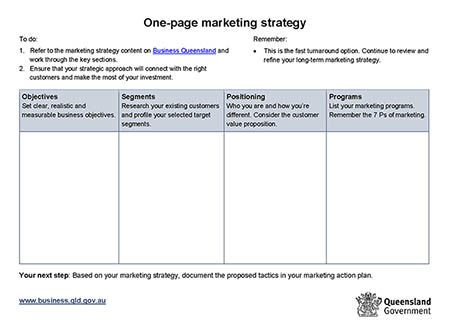
Who is your customer? How you answer this question will fundamentally change your marketing tactics and methods. The better you understand your customer, the more effective your marketing will be. Knowing your customer is the most important part of your marketing strategy.
Data analysis allows you to gain important information about your customers and what they are looking for in a brand. Buyer personas, or a detailed description of someone who represents your target audience, is one way to use data to define your customer.
Buyer personas include important information such as age, occupation, preferred social media channel, pain points, shopping habits and location. This information is necessary to shape your marketing strategy and campaigns.
Customer segmentation
Understanding your customer segments is key to designing and executing personalized campaigns. Campaign personalization is no longer the hallmark of high-performing brands: customers expect it from everyone they interact with. According to the survey, 75% of customers said they are more likely to buy from brands that offer a personalized digital experience.
Many people choose certain brands for different reasons and want different experiences. For example, some audiences are more interested in saving money, while others want to make sure they have a great experience with your product or service. Meeting and marketing to each segment based on their goals, desires and pain points will create more effective campaigns than trying to reach everyone.
Use your analytics to identify different segments of your customers and their consumer behavior. Do you see any other trends or customer groups that stand out? They may represent a different customer segment to reach out to.
Market research and competitive analysis
Your brand is not isolated. Instead, you're fighting for attention in a tight and crowded market. Knowing who you're competing with and how they're reaching customers is key to finding new marketing strategies. Market research methods are key to understanding the landscape.
One of the methods of market research is competitive analysis. A competitive analysis strategy allows you to see how you are performing against other companies in your industry and target market. How do they market and position themselves? Are they using something you missed? You may want to know if they are missing a critical audience segment on which you can focus your marketing efforts.
It's hard to look at competitor data when it's not available to you. However, there are ways to learn about their marketing strategies. Analyze their digital marketing campaigns to gain insight into how they're using their message, who they're targeting, and what channels they're using.
survey work
Creating and fulfilling personal research needs with surveys can give your business insight into your business. For example, customer satisfaction surveys, questionnaires, and brand awareness surveys can help answer some of your questions.
What are consumers thinking about your new product or new ad on YouTube? In terms of PR, how do you feel about your brand after a failed product launch? Here are some questions you can get answered with surveys.
The announcement was heard
Data helps you know if you're moving customers through the right channels or if there are better channels. The better you understand your audience, the better you know which marketing and advertising campaigns engage your audience the most and deliver the best results for your business.
As you understand your ad audience and your message, you'll start to get a higher return on your ad spend. Data allows you to follow instincts and theories about what your audience likes best, and find factual information.
For example, you may think your product is best for women in their 20s and 25s, but past advertising data shows that women in their 30s and 40s buy your product. You can stop spending advertising dollars on audiences that are least likely to buy and put your money where you'll make the most.
Website analysis
This data provides marketers with important information about their website. It's important to see what motivates customers to improve their marketing and overall business practices.
One of the challenges marketers face is whether their entire campaign is working and whether certain parts of it are having the desired effect. Data can help answer this question. For example, heat maps provide marketers with valuable information about where customers spend most of their time. They can see if the audience is losing interest in the landing page and which call to action they will respond to.
A/B testing, also known as split testing, can help you test your specific messaging strategies to see what resonates best with your audience. This helps track other factors, such as the time visitors visit or what segment of the audience they are viewing to help you understand their performance.
A/B testing goes beyond websites. You can use this method to test individual emails and email marketing campaigns to see what resonates best with customers.
Content marketing
Search engine optimization or SEO is necessary for companies to get organic traffic and increase website audience. However, finding the right keywords and phrases to reach your customer requires proper analysis. Data tells you how your customers search for products and services, the exact words and questions they ask.
The right keywords and phrases in your content marketing strategy are the key to getting the right traffic. They can even be used across all your marketing channels, such as social media, paid advertising, calls to action and other digital marketing tactics.
Product information
Product development is difficult, especially when brands don't deeply understand the goals and pain points that drive their customers. Products that are not customer oriented are more likely to fail. Conversely, information-based marketing leads to superior product development. With actionable data, organizations can focus on the needs of their current customer base to develop better products.
Marketing automation
Marketing automation is a hot topic these days. It plays an important role in increasing your click-through rate (CTR), getting more subscribers, reducing your acquisition costs and much more. Analyzing your data plays a critical role in the success of data automation.
Collecting, analyzing and understanding your data will help you implement data-driven automation. It will also help you determine the effectiveness of your marketing campaigns and determine if they need any changes. Based on your knowledge, you can identify the most effective positions and optimize others.
Adapt your marketing strategy using research and analytics: key findings
- Data provides marketers with important answers to their most pressing questions. Using the data, marketers can determine where their campaigns are performing and what areas need improvement.
- Data answers one of the most important questions: who is your customer. The answer to this key question should inform your marketing strategies and campaigns.
- Data analysis can help you identify the parts of your website and message that engage readers. You can see which calls to action get the best response and use split testing to test different aspects of your marketing campaigns.
- Analytics will help you determine which parts of your campaign should be automated and continue to improve the automation process.
How Hearst Bay can help
Understanding your audience and your marketing efforts will help you get the most out of your marketing dollars.
The experts at our marketing agency 46Mile help companies with customer identification and segmentation, as well as market research and competitive analysis. By using Hearst's proprietary data, you get the most accurate information while protecting customer privacy.
Contact us today to learn how we can help you create an effective marketing plan with research data and analytics!


Comments
Post a Comment