Marketing Plan
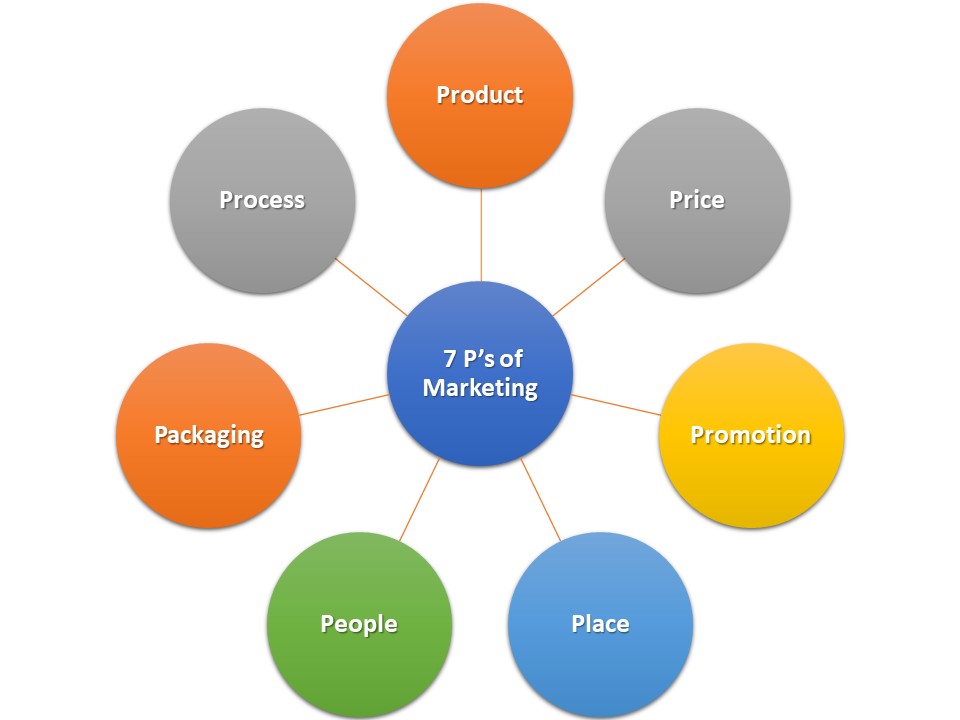
A company needs a marketing plan just like it needs a business plan. Here's how to write a five-part marketing plan that works as hard as you do:
Section 1: Analysis of the situation
This introductory section provides an overview of your current situation and will provide a useful reference point as you adjust and refine your plan in the coming months. Start with a brief description of your current product or service offering, an overview of the marketing advantages and challenges you face, and the threats from your competitors. Describe the external forces that will affect your business in the coming year. This could be a drop in traffic levels due to construction if you are a retailer or a change in the law that could affect a new product launch if you are an inventor. , for instance
Section 2: Recipients
All you need here is a simple description of your target audience. If you're marketing to consumers, profile your target audience based on demographics, including age, gender, and any other relevant characteristics. B2B marketers should list their target audiences by category (eg lawyers, doctors, shopping malls) and include all relevant criteria for each.
Section 3: Objectives
List your company's marketing goals for the coming year on one page or less. The key is to make your goals realistic and measurable so that you can easily measure your performance. "Increase hardware sales" is an example of an ineffective goal. You'll be much better off measuring your marketing progress with a goal: "Increase hardware sales by 10% in Q1, 15% in Q2, 15% in Q3, and 10% in Q4." ".
Section 4: Strategies and Tactics
This section will make up the bulk of your plan and should take as much space as you need to outline your marketing strategies and list the important tactics you will use to implement them. Here's an example: One of my customers sells video cassettes and accessories. One of his goals is to increase sales in the main departments of three states by 20%. We have developed a strategy together to make a special offer to this special prospect each month, and one of their tactics is to use monthly emails to promote an internal list.
Your tactics section should include all the specific steps you plan to take for advertising, public relations, direct mail, demos, and special promotions. You can use a paper calendar to plan your tactics, or you can use a contact manager or spreadsheet program; the most important thing is to complete your schedule and stick to it. A paper plan is only useful if it is put into practice.
Section 5: Budget Allocation
The last section of your plan contains a brief summary of the costs associated with each of your tactics. So if you plan to exhibit at three shows a year, you will factor in the costs of attending the shows and preparing your booth and marketing materials. If you think the tactics you've chosen are too expensive, you can go back and make revisions before reaching a final budget.
You can adapt this plan as your business grows and your marketing programs develop. You will find that it is a simple tool that you cannot live without.


Comments
Post a Comment